The Placebo Effect Is Real—and Useful
Many people misunderstand the placebo effect, assuming it means “fake” or “imaginary.” In reality, placebo responses produce real physiological changes. Heart rate slows. Muscles relax. Stress hormones decrease.
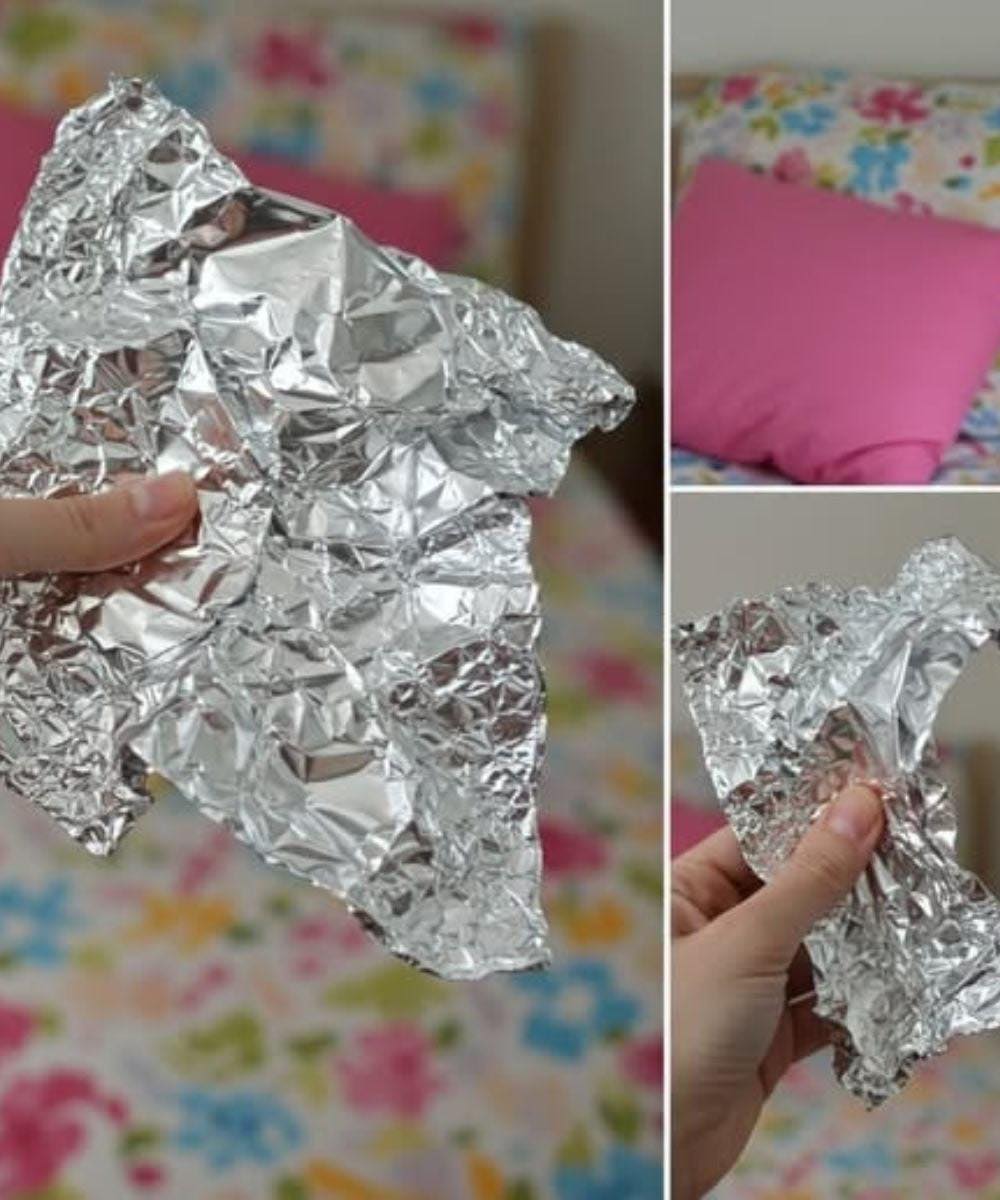
If someone believes that foil under the bed blocks negative energy, electromagnetic waves, or bad dreams, their brain responds accordingly. The belief itself triggers relaxation.
Better relaxation leads to better sleep. Better sleep reinforces the belief. The cycle continues.
From a psychological standpoint, the improvement is real—even if the cause is symbolic.
Cultural and Learned Beliefs

Humans learn fear and comfort from culture, family, and social media. Once an idea spreads—especially one that promises safety—it can quickly become internalized.
Metal has long been associated with protection in folklore and superstition. Shields, armor, and barriers all reinforce the idea that metal equals defense. Aluminum foil fits neatly into that mental category.
When people place it under the bed, they’re tapping into deeply ingrained associations, whether they realize it or not.
Sleep and the Fear of the Unknown
Nighttime amplifies fear. The brain is more imaginative in low light and silence. Sounds feel louder. Thoughts feel heavier.
Simple protective behaviors—like a nightlight, locking doors, or placing foil under the bed—help reduce nighttime anxiety by giving the mind a boundary between “safe” and “unsafe.”
Psychologically, the bed becomes a protected zone.
Why It “Works” for Some People
Foil under the bed doesn’t change the environment. It changes perception.
And perception is what the brain responds to.
Feeling safer leads to relaxation. Relaxation improves sleep. Improved sleep strengthens the belief that the method works.
From a psychological perspective, that outcome matters more than the method.
In the end, the foil isn’t protecting the body.
It’s calming the mind—and sometimes, that’s enough.