Is Bottled Water Really Just Tap Water? The Truth Behind the Label
Walk into any supermarket in America and you’ll see shelves packed with bottled water — purified, spring, mineral, alkaline, glacier, artesian. The branding suggests pristine mountain sources and untouched natural springs.
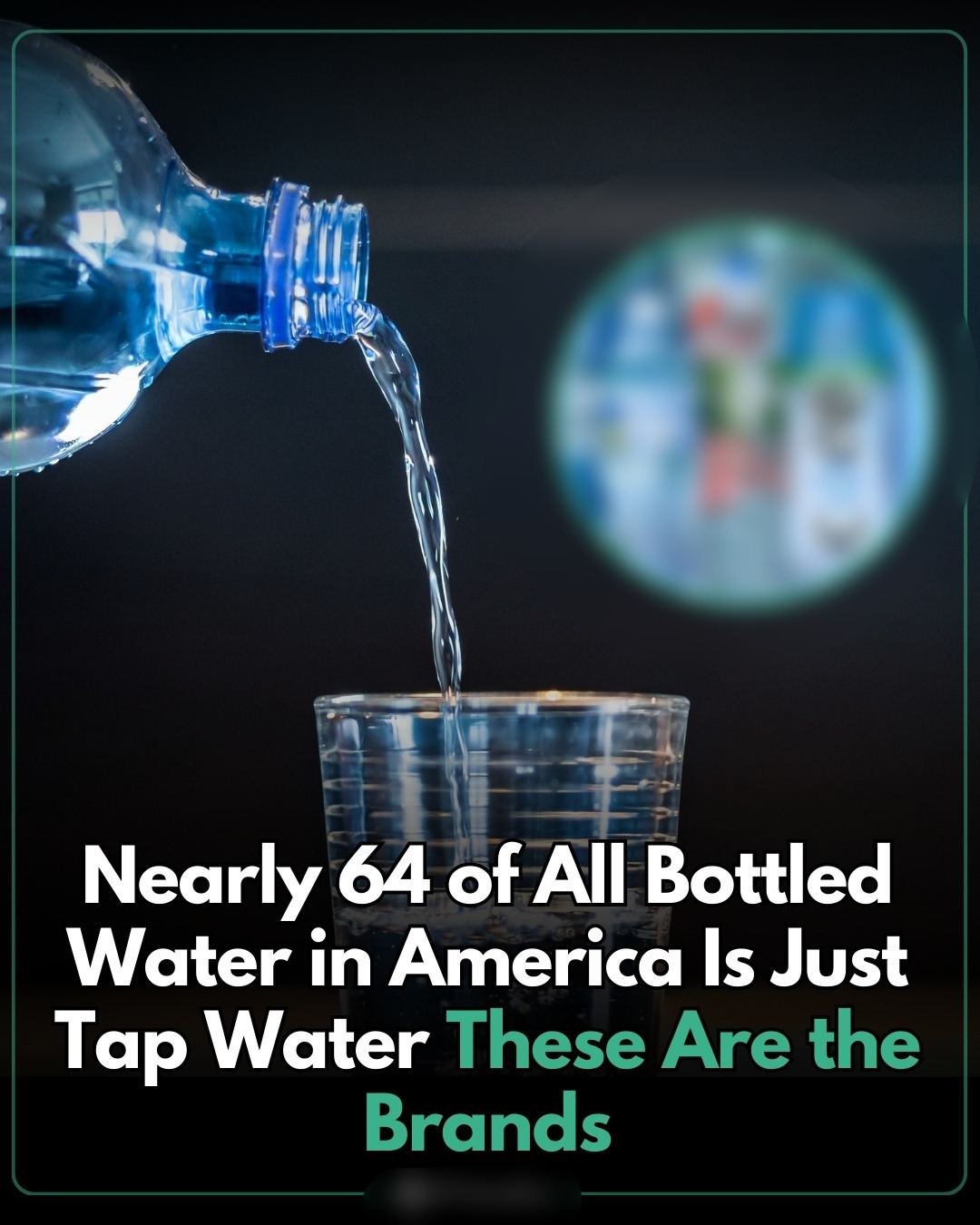
But here’s the reality: a significant portion of bottled water in the United States actually comes from municipal water systems — in other words, tap water.
So what’s really going on?
Where Does Bottled Water Come From?
Many major bottled water brands list their source as “municipal supply” or “public water source” on their labels. That means the water originally comes from the same source that supplies homes and businesses in that area.
However, it’s important to clarify something:
When companies use municipal water, they usually put it through additional purification processes such as:
Reverse osmosis
Distillation
Carbon filtration
UV treatment
After treatment, the water is bottled and sold — often at prices hundreds of times higher than tap water.
Why Do Companies Use Municipal Water?
There are a few practical reasons:
Cost Efficiency – Municipal water is readily available and consistent.
Scalability – It allows companies to produce large volumes quickly.
Control Over Purification – Brands can standardize taste and mineral content.
In other words, using tap water isn’t necessarily unsafe — but it may not be what consumers expect when they see images of mountains on the label.
Tap Water vs. Bottled Water: Is There a Difference?
In the United States:
Tap water is regulated by public authorities and must undergo regular testing.
Bottled water is regulated under food safety laws and must also meet quality standards.
In many areas, tap water meets strict safety requirements and is tested more frequently than bottled water.
The key difference often comes down to perception, convenience, and marketing.
The Price Gap
Here’s where things get interesting.
Tap water costs fractions of a cent per gallon. Bottled water can cost hundreds or even thousands of times more per gallon.
Consumers are often paying for:
Packaging
Transportation
Marketing
Brand perception
Not necessarily for a fundamentally different source of water.
The Environmental Impact
Another major factor is plastic waste. Millions of plastic bottles are discarded every day. Even with recycling efforts, a significant portion ends up in landfills or oceans.
If the water inside many of these bottles started as municipal tap water, the environmental cost becomes harder to justify.
So, Is Bottled Water a Scam?
continued on the next page