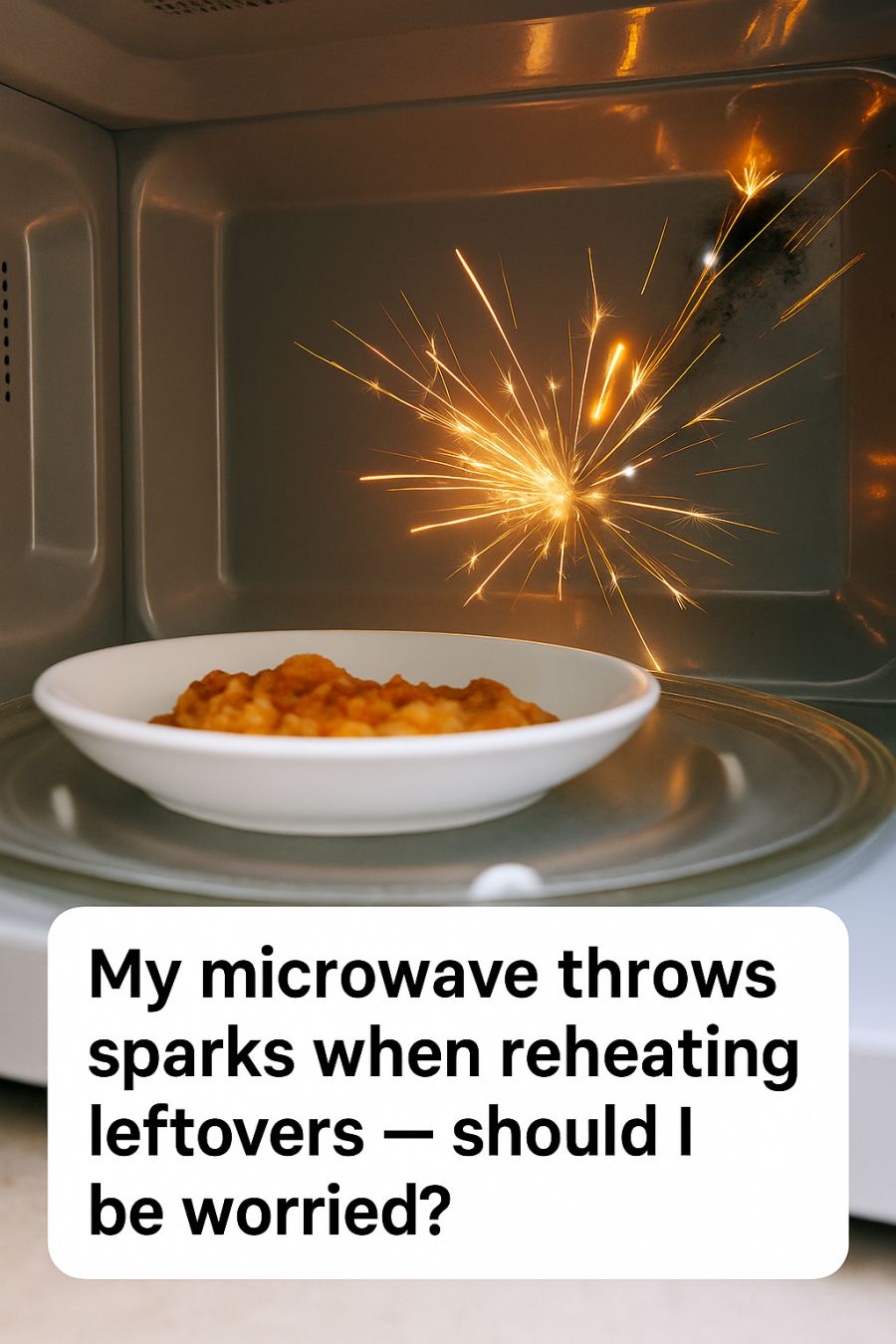
Microwaves have become an indispensable part of our kitchens, offering us the convenience of quickly reheating leftovers and cooking meals in minutes. However, experiencing sparks inside your microwave can be alarming, leaving you to wonder if there's a potential hazard lurking within this everyday appliance. Understanding the cause of these sparks is crucial to ensuring the safety of your microwave and your home.
While sparks are not an uncommon occurrence, they are usually symptomatic of a problem that needs to be addressed. From issues with the microwave itself to the materials and foods being heated, there are several factors that can cause a microwave to spark. In this article, we'll delve into the possible reasons behind these sparks, the dangers they might pose, and how to prevent them from happening in the future.
1. What Those Sparks in Your Microwave Actually Mean
When you see sparks in your microwave, it usually means that there is metal or a conductor present that is causing the microwaves to reflect and create electrical arcs. Microwaves work by emitting electromagnetic waves that excite water molecules in food, generating heat. However, when these waves encounter metal, they are reflected, leading to sparks or arcing. This can occur even with small amounts of metal, such as a forgotten fork or a thin strip of aluminum foil.
It's important to note that not all sparks are dangerous, but they do indicate that something in the microwave is causing the electromagnetic waves to behave abnormally. Depending on the cause, the sparks could potentially damage the microwave or even pose a fire hazard if left unaddressed.
2. When a Sparking Microwave Is Truly Dangerous
While occasional sparks may not seem threatening, a sparking microwave can become dangerous if the arcing continues unchecked. Prolonged sparking can damage the interior components of the microwave, such as the waveguide cover or magnetron, which can lead to a malfunction or a fire risk. If you notice burn marks, a burning smell, or if the microwave stops working after sparking, it is crucial to cease use immediately.
It's also important to consider the frequency and intensity of the sparks. Frequent sparking, especially if accompanied by unusual sounds or smoke, indicates a serious issue that requires immediate attention. In such cases, it is advisable to unplug the microwave and consult a professional technician.
3. Metal in the Microwave: From Foil to Forgotten Utensils
Metal reflects microwaves, which can lead to sparking and potential damage to the appliance. Common culprits include aluminum foil, metal twist ties, and forgotten utensils like forks or spoons. Even a small piece of metal can cause significant sparking, as it acts as a conductor and reflects microwaves.
It's crucial to ensure that no metal is present when using the microwave. If you need to cover food, use microwave-safe lids or wraps instead of foil. Additionally, always double-check that no metal utensils are left inside before turning the microwave on.
4. Hidden Metal in Takeout Containers, Mugs, and Dishware
Some takeout containers, especially those with metallic trims or handles, can cause sparking in the microwave. Even certain mugs or dishware with metallic paint or rims are not microwave-safe, as the metal can reflect microwaves and lead to arcing.
To avoid this, always check for any metallic components in containers and dishware before microwaving. Manufacturers often label their products as microwave-safe or not, so it's wise to look for such indications before reheating your food.
5. Mineral-Rich Foods That Can Spark (Yes, Even Your Leftovers)
Certain foods, particularly those rich in minerals like iron, magnesium, or selenium, can spark in the microwave. For example, spinach, kale, and other leafy greens can spark due to their mineral content. When microwaved, the minerals can create small electric fields that lead to sparking.
While this sparking is generally harmless, it's best to avoid microwaving such foods in their raw form. Instead, cook them on the stove or ensure they are thoroughly mixed with other ingredients to reduce the risk of sparking.
6. Why Certain Foods Arc: Salt, Iron, and Other Conductive Culprits
Foods that contain a high amount of ions, such as salt or iron, can also cause arcing in the microwave. The ions in salt can create conductive paths for electricity, leading to sparks. Similarly, foods rich in iron, like some meats, can generate enough conductivity to cause sparking.
To prevent this, be mindful of the quantity of salt and iron-rich foods you are microwaving. Stirring the food thoroughly and ensuring it is evenly distributed can help minimize the risk of sparking.
7. Viral Microwave Hacks That Can Backfire Spectacularly
The internet is full of microwave hacks, but not all of them are safe. For example, using a microwave to dry clothes or sanitize sponges can lead to sparking or even fires. These hacks often involve materials not meant for microwave use, such as synthetic fabrics or metal-containing sponges.
It's important to evaluate the safety of any microwave hack before trying it. Always prioritize safety over convenience to avoid damaging your appliance or risking a fire.
8. Simple Safety Checks to Do the Moment You See Sparks
The first step when you see sparks is to stop the microwave immediately and unplug it. Check for any visible metal objects or damage inside the microwave. Remove any metal items and inspect the microwave for signs of damage, such as burn marks or melted plastic.
If the sparks persist or if you notice any damage, it's best to consult a professional technician to assess the situation. Avoid using the microwave until you are sure that it is safe to do so.
9. How Damage Inside the Microwave Can Trigger Arcing
Damage to the microwave's interior, such as a cracked waveguide cover or a damaged magnetron, can cause arcing. These components are crucial for the microwave's functionality, and any damage can lead to abnormal wave reflection and sparking.
Regularly inspect the interior of your microwave for any signs of wear and tear. If you notice any damage, it's important to address it immediately to prevent further issues and ensure safe use of the appliance.
continued on the next page