3. Potential for Acrylamide Formation
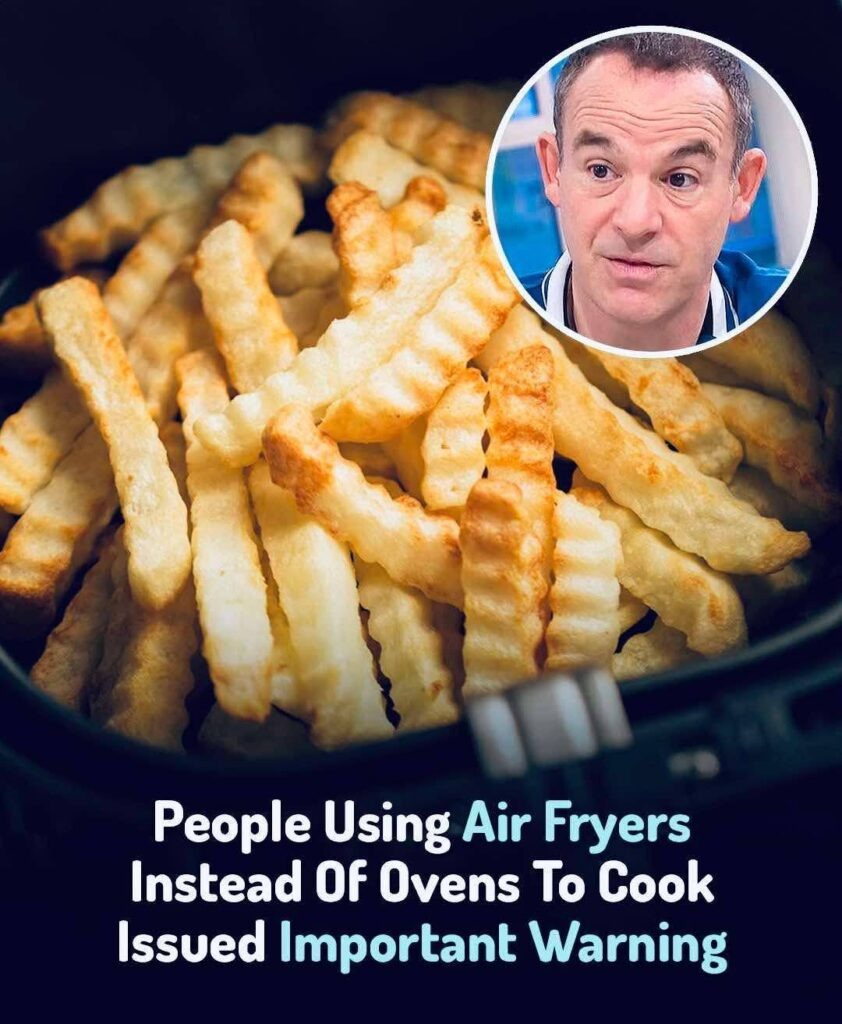
Some research suggests that cooking starchy foods (like potatoes) at high temperatures — especially with direct hot air contact — could increase levels of acrylamide, a compound linked to health concerns when consumed in large amounts. Oven cooking at appropriate temperatures can sometimes reduce this risk, depending on the method used.
4. Size and Capacity Limitations
Air fryers usually have smaller baskets than ovens have interior space. This makes them less efficient for cooking large meals or multiple dishes at once, meaning you might lose the convenience you were originally seeking.
When Air Fryers Are a Great Choice
That said, specialists do not recommend abandoning air fryers entirely. They’re excellent for:
✔️ Reheating leftovers without sogginess
✔️ Cooking frozen snacks quickly and with less oil
✔️ Making small batches of vegetables or proteins crisp
✔️ Reducing overall cooking time for certain meals
Tips for Safe and Better Results
-
Know your food: Use air fryers for crispy snacks and quick cooks, but choose ovens for large roasts, breads, or meals requiring even heat.
-
Avoid overcrowding: Crowded baskets reduce airflow and cause uneven cooking.
-
Use proper temperatures: Follow recipes closely to avoid burning or drying foods.
-
Keep it clean: Remove grease and crumbs from air fryer trays to prevent smoke or unwanted burning.
Expert Bottom Line
Air fryers are fantastic tools — but they aren’t a one-for-all replacement for ovens. Each appliance has its place. By understanding their strengths and limitations, you’ll get better results, safer cooking, and tastier meals.