Bread is a staple in many households, cherished for its versatility and comforting taste. However, the debate over the best way to store bread to maintain its freshness and safety is ongoing. Some people, like my sister, prefer to keep bread on the counter, while others opt for refrigeration. This article explores how long bread can safely stay out and the factors that influence its shelf life.
Understanding Bread Shelf Life
Bread's shelf life can vary depending on its ingredients and storage conditions. Typically, store-bought bread contains preservatives that extend its freshness for about 5 to 7 days when stored at room temperature. Homemade bread, which often lacks these preservatives, may only last 2 to 3 days on the counter. Understanding these timelines is crucial for ensuring that bread remains safe to eat.
Factors Affecting Bread Freshness
Several factors influence how long bread stays fresh. These include humidity, temperature, and exposure to air. High humidity can promote mold growth, while exposure to air can cause bread to dry out and become stale. The type of bread also matters; for example, sourdough bread naturally resists mold due to its acidic environment.
The Science Behind Bread Spoilage
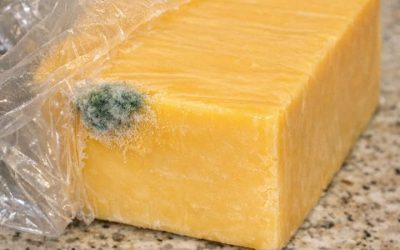
Bread spoilage is primarily caused by mold and staling. Mold thrives in warm, moist environments and can appear as fuzzy spots on the surface of bread. Staling, on the other hand, is a result of the starch molecules in bread crystallizing over time, leading to a hard and dry texture. Understanding these processes helps in choosing the right storage method.
Comparing Bread Storage Methods
There are several methods for storing bread, each with its pros and cons. Keeping bread on the counter is convenient and maintains its texture, but it may spoil faster. Refrigeration slows mold growth but can cause bread to stale more quickly. Freezing is another option that preserves bread for months but requires defrosting before use.
The Case for Refrigerating Bread
Refrigerating bread can extend its shelf life by slowing down mold growth. This is particularly beneficial in humid climates where mold can develop rapidly. However, refrigeration can also cause bread to lose its softness and become stale faster due to the crystallization of starch molecules.
continued on the next page