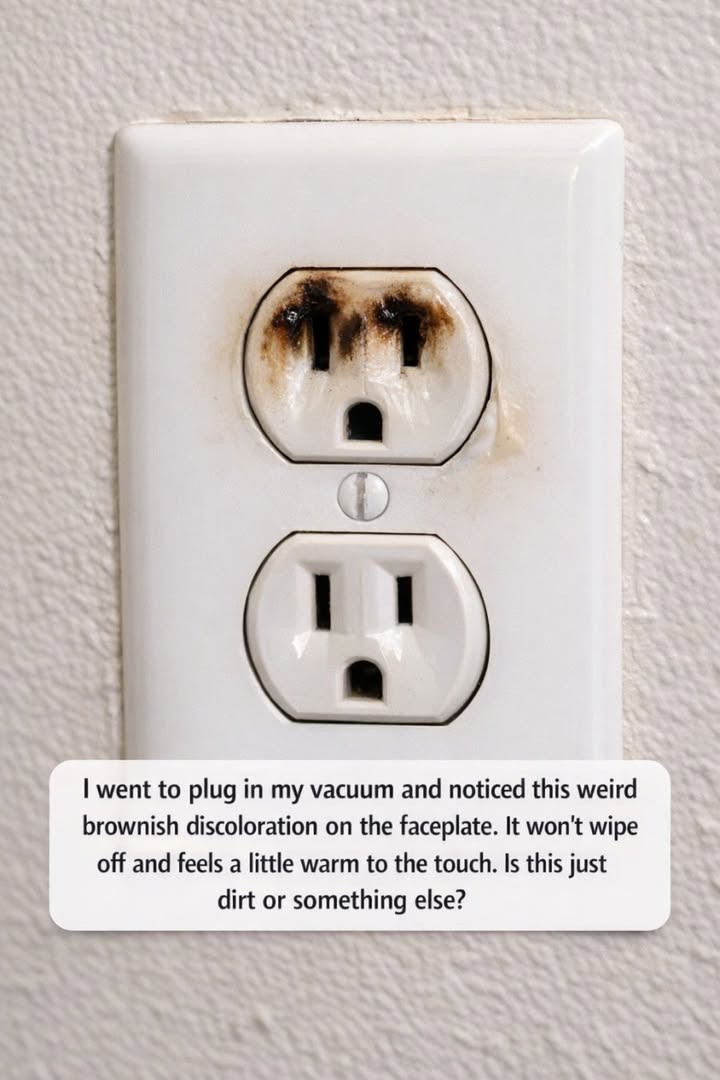
6. What To Do Immediately When You Spot Discoloration
The first step upon noticing discoloration is to unplug any devices connected to the affected outlet to prevent further electrical flow and potential overheating. It's important to avoid using the outlet until it has been inspected by a professional.
Additionally, you should inspect other outlets in the vicinity to check for similar issues. Documenting the problem with photos can also be helpful when explaining the situation to an electrician.
7. When You Must Stop Using the Outlet and Shut Off Power
If the outlet feels hot, emits a burning smell, or shows signs of melting or burning, it is crucial to stop using it immediately and shut off the power to that circuit from the main electrical panel. This will prevent further damage and reduce the risk of electrical fires.
Shutting off the power ensures that no current flows to the problematic outlet, allowing for a safer inspection and repair process by a qualified electrician.
8. How an Electrician Diagnoses and Fixes an Overheating Outlet
An electrician will begin by inspecting the outlet and the wiring behind it to determine the source of the overheating. They may use tools like infrared thermometers to measure temperature differences and identify hotspots.
Once the cause is identified, repairs may involve tightening loose connections, replacing damaged wires or outlets, and ensuring that the circuit is not overloaded. The electrician will also check for compliance with local electrical codes to ensure safety.
9. Replacing Faceplates, Outlets, and Cords Safely
Replacing a discolored faceplate or outlet should only be done by someone with electrical knowledge, as incorrect handling can lead to further issues. It's important to ensure that the replacement outlet is rated for the appropriate amperage and is properly grounded.
For cords that have been damaged due to overheating, replacement is necessary to prevent future risks. Damaged cords can often be replaced with new ones that are rated for higher wattage to prevent similar issues.
10. Preventing Future Overheating: Safer Plug-In Habits
To prevent future overheating, avoid overloading outlets with multiple high-wattage devices. Use power strips with built-in circuit breakers to manage load distribution safely.
Regularly inspect outlets and cords for wear and damage, and unplug devices when they are not in use. These habits ensure that electrical systems operate within safe parameters, reducing the risk of overheating and related hazards.
11. When It’s Time to Upgrade Old Wiring and Outlets
Old wiring and outlets may not be equipped to handle the electrical demands of modern appliances. If electrical issues persist despite repairs, it might be time to consider upgrading the electrical system.
Consulting with a licensed electrician to assess the condition of the wiring and outlets is a prudent step. Upgrading to modern, code-compliant wiring and outlets can enhance safety and efficiency, providing peace of mind and protection against electrical hazards.