4. Diabetes or Blood Sugar Medications
Cloves have been studied for potential blood sugar-lowering effects through improved insulin sensitivity in some animal models. While this sounds positive, it can become problematic if you already take diabetes medications. The combination may cause blood sugar to drop too low (hypoglycemia), leading to shakiness, sweating, or confusion.
If you monitor glucose closely, introducing cloves without adjusting your regimen could throw off your carefully balanced numbers. Always check with your doctor before regular use.
But liver health requires special attention too.
5. Liver Disease or Compromised Liver Function
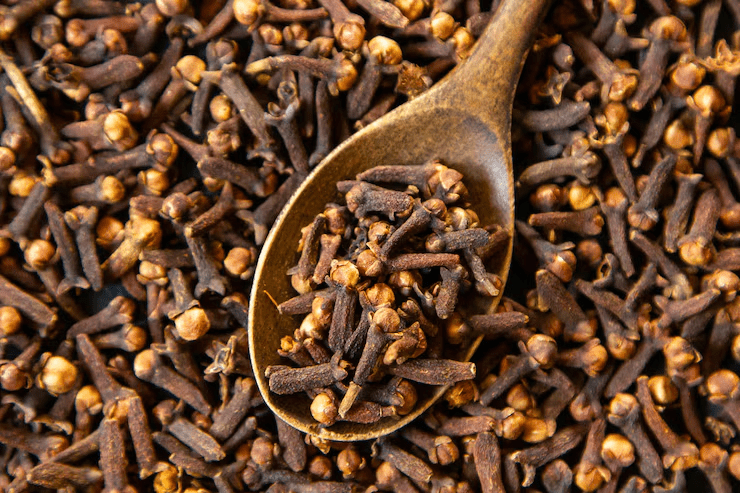
The liver processes eugenol and other clove compounds. In people with existing liver conditions like fatty liver, hepatitis, or cirrhosis, high doses of cloves may add unnecessary stress. Some case reports link excessive clove oil ingestion to liver toxicity.
Even moderate amounts in remedies could interact with medications metabolized by the liver, altering their effectiveness or side effects.
One more critical group deserves clear warning.
6. Pregnancy and Breastfeeding
Traditional use sometimes includes cloves for nausea, but experts generally recommend limiting or avoiding concentrated clove products during pregnancy. Eugenol may stimulate uterine contractions in higher amounts, and safety data for the developing baby remains limited.
Nursing mothers should also exercise caution, as compounds can pass into breast milk. The strong flavor and potential effects make it wiser to stick to very small culinary amounts or skip them until after weaning.
Finally, allergies and sensitivities close the list.
7. Allergies to Cloves or Related Plants
If you’ve ever had allergic reactions to cloves, cinnamon, or other members of the Myrtaceae family, avoid them completely. Symptoms can range from mild mouth tingling to more serious swelling or breathing difficulties.
Even topical use of clove oil has caused contact dermatitis in sensitive individuals. A simple patch test is essential before broader application.
Real Stories Highlight the Importance of Caution
Maria, a 62-year-old retiree from Phoenix managing type 2 diabetes and high blood pressure, loved adding clove to her evening tea for digestion. After increasing the amount during cold season, she experienced dizzy spells and unusually low blood sugar readings. Her doctor traced it back to the cloves interacting with her medication. Once she paused, her levels stabilized.
David, 58, prepared for knee surgery and continued his usual clove-infused remedy for joint comfort. Post-surgery bleeding took longer to control than expected. The surgeon noted possible contribution from natural blood-thinning spices.
These stories aren’t meant to scare you—they highlight why awareness matters. What feels harmless for one person can shift the balance for another.
Safe Use Guidelines If You Can Tolerate Cloves
If none of the above conditions apply to you and your doctor gives the green light, here are practical tips for safer enjoyment:
- Stick to small culinary amounts—¼ to ½ teaspoon per day maximum in food or drinks.
- Avoid concentrated essential oils or undiluted clove oil internally.
- Monitor your body’s response, especially blood sugar, blood pressure, or digestion, when first introducing them.
- Choose high-quality, fresh whole cloves over pre-ground powder for better control of potency.
Here’s a clear safety overview:
| Condition / Situation | Recommendation | Why It Matters |
|---|---|---|
| Bleeding disorders / Blood thinners | Avoid or use very minimally | Increased bleeding risk |
| Low blood pressure | Limit or monitor closely | Possible further drop in BP |
| Stomach ulcers / GERD | Avoid concentrated forms | Potential irritation |
| Diabetes medications | Consult doctor before regular use | Risk of hypoglycemia |
| Liver disease | Use caution or avoid | Added stress on liver processing |
| Pregnancy / Breastfeeding | Limit or avoid | Limited safety data, possible contractions |
| Allergies | Complete avoidance | Risk of allergic reaction |
When to Talk to Your Doctor First
Always consult your healthcare provider before using cloves regularly if you:
- Take any prescription medications
- Have chronic conditions
- Are preparing for surgery or dental work
- Experience unusual symptoms after consumption
Never use cloves as a replacement for prescribed treatments. They can complement a healthy lifestyle but should never override medical advice.
This article is for informational purposes only and is not a substitute for professional medical advice. Individual responses to cloves vary widely. Please consult your healthcare provider before making any changes to your diet or supplement routine, especially if you have existing health conditions or take medications.
Protect Your Health by Knowing When to Say No
Cloves offer wonderful flavor and potential wellness perks for many people. Yet their potency means they aren’t appropriate for everyone all the time. Understanding your personal health picture helps you enjoy spices safely and confidently.
The next time you reach for cloves, pause and ask yourself: “Does this match my current health needs?” A moment of awareness can prevent unnecessary discomfort or complications.
P.S. One often-missed detail: Clove essential oil is far more concentrated than whole cloves. Many accidental issues come from using the oil internally or in large topical amounts. Stick to food-grade whole cloves for everyday use.
Share this information with friends or family members who love natural remedies. Spreading awareness about safe spice use helps everyone enjoy their favorite flavors with greater peace of mind.
This article is for informational purposes only and does not replace professional medical advice. Please consult your healthcare provider for personalized guidance.