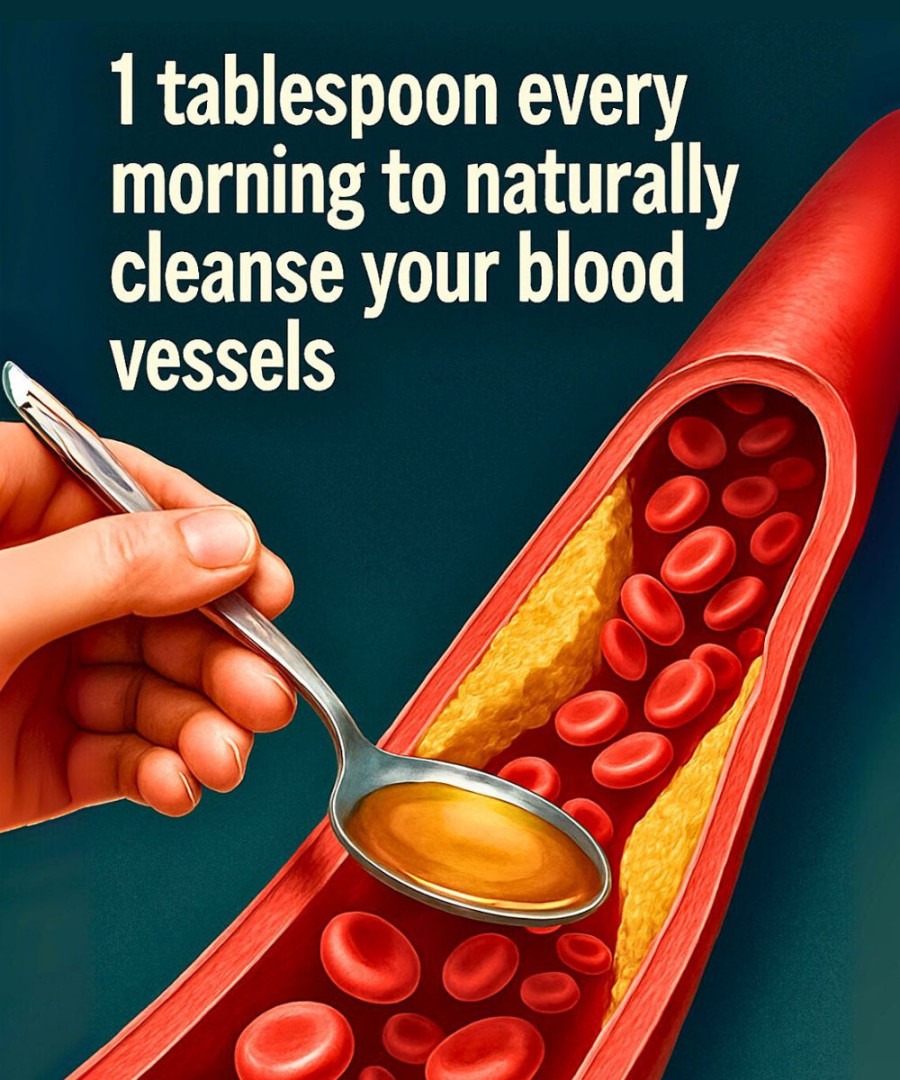
Heart disease remains the leading cause of death worldwide — and often develops silently over decades.
One major contributor? Atherosclerosis — the buildup of plaque inside your arteries.
Plaque is made of:
- Cholesterol
- Fatty substances
- Calcium
- Cellular waste
Over time, it hardens and narrows arteries, reducing blood flow to your heart, brain, and limbs.
And here’s the scary truth:
🔴 Many people have advanced plaque before they feel a single symptom.
🔴 Chest pain, shortness of breath, or stroke may be the first warning signs.
But there's hope.
While you can’t erase years of damage overnight, science shows you can slow, stop, or even partially reverse arterial plaque — not with magic potions, but with consistent, evidence-based habits.
Let’s explore what really works — so you can protect your heart with confidence.
🩺 How Atherosclerosis Develops (Silently)
🫀 The process can start in your 20s — long before symptoms appear.
✅ Proven Ways to Support Artery & Heart Health
There’s no single “morning miracle,” but these science-backed habits make a real difference:
1. Eat a Heart-Healthy Diet
Focus on whole, unprocessed foods:
- Leafy greens, berries, oats, nuts, fatty fish, olive oil
- Limit: Added sugars, refined carbs, processed meats, trans fats
✅ The Mediterranean diet is one of the most studied and effective for heart protection.
2. Exercise Regularly
- Aim for 150 minutes of moderate activity per week (like brisk walking)
- Strength training 2x/week also helps
💡 Exercise improves circulation, lowers blood pressure, and raises HDL ("good") cholesterol.
3. Manage Blood Pressure & Cholesterol
🩺 Work with your doctor — medications like statins are proven to reduce heart attacks and strokes.
continued on the next page