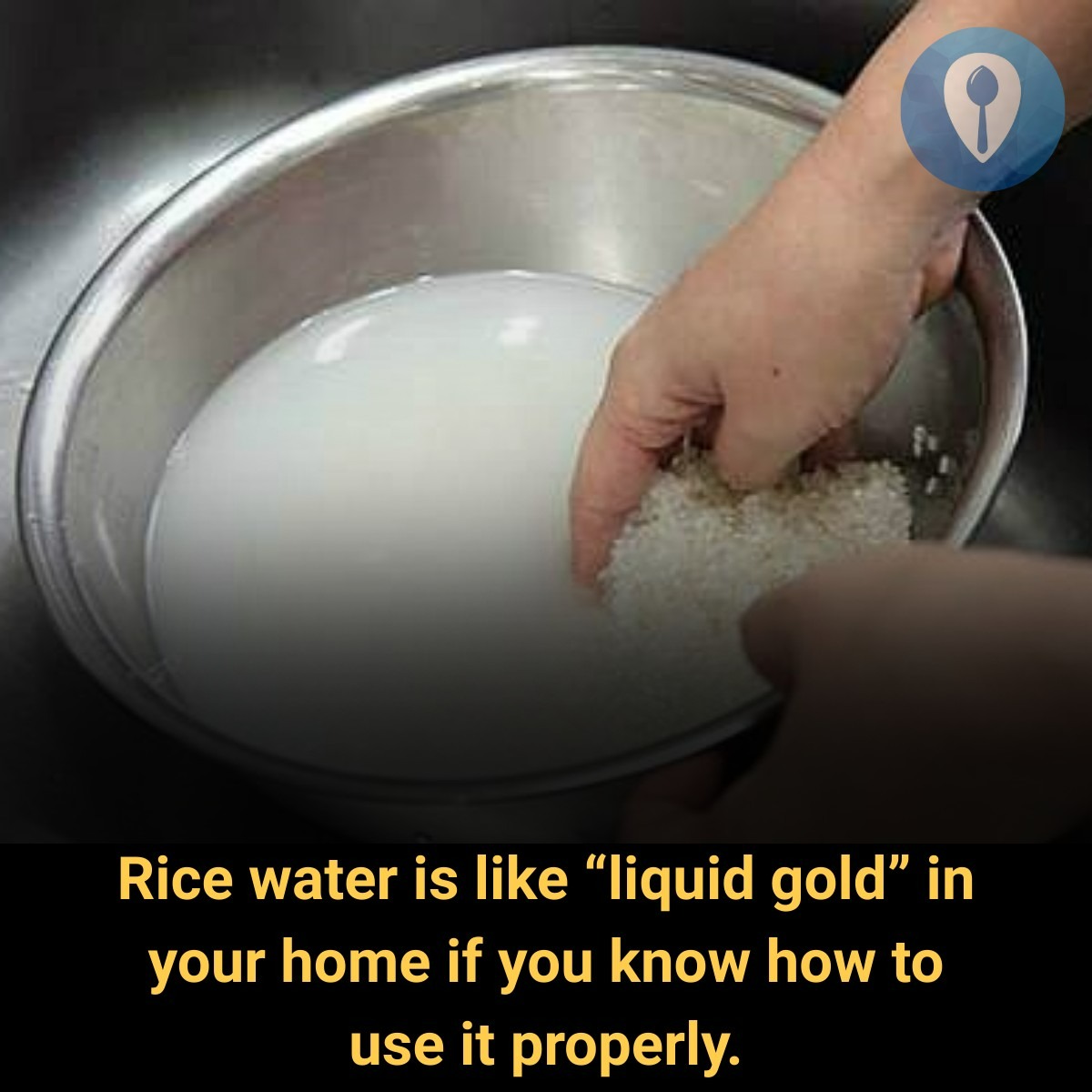
You know that cloudy water you rinse off your rice and then pour down the drain? Stop.
For centuries, across Asia, rice water has been treasured as "liquid gold" —a versatile, powerful, and completely free resource with benefits that extend far beyond the kitchen. From beauty treatments to household cleaning, this humble byproduct of cooking rice is one of the most underrated tools in your home.
And once you know how to use it properly, you'll never pour it down the sink again.
What Is Rice Water?
Rice water is simply the starchy water left over after rinsing or cooking rice. It's rich in:
-
Vitamins and minerals – Including B vitamins, vitamin E, and iron
-
Amino acids – The building blocks of protein
-
Antioxidants – Compounds that fight free radicals
-
Inositol – A carbohydrate that may promote hair growth
-
Starch – Provides gentle cleansing and thickening properties
The key is knowing how to capture and use it for maximum benefit.
Beauty Benefits: Hair and Skin
For Hair: The Ancient Beauty Secret
Women in ancient Japan and China have used rice water for centuries to maintain long, strong, shiny hair. The Heian period court ladies were famous for their floor-length hair, which they washed with rice water.
What it does:
-
Strengthens hair follicles
-
Adds shine and smoothness
-
Improves elasticity (less breakage)
-
May promote hair growth
-
Detangles naturally
How to use it for hair:
-
Rinse method: After shampooing, pour rice water through your hair, massage into scalp, and let sit for 5-20 minutes. Rinse with cool water.
-
Spray treatment: Pour rice water into a spray bottle, spritz onto damp hair, and leave in.
-
Scalp massage: Gently massage rice water into scalp to stimulate circulation.
For best results: Use 1-2 times per week. Fermented rice water (left at room temperature for 12-24 hours) is even more potent.
For Skin: Gentle, Nourishing, Brightening
Rice water has been used as a gentle skin toner and cleanser for generations.
What it does:
-
Soothes irritated skin
-
Tightens pores
-
Brightens complexion
-
Provides gentle exfoliation
-
Reduces redness and inflammation
How to use it for skin:
-
Facial toner: Apply with a cotton pad after cleansing.
-
Soothing bath soak: Add a cup of rice water to your bath.
-
Face mask: Mix rice water with honey or yogurt, apply to face, rinse after 15 minutes.
-
Sunburn relief: Apply cool rice water to sunburned skin with a soft cloth.
Household Cleaning: Natural and Effective
Rice water's mild starch content makes it surprisingly useful around the house.
1. Gentle Cleaner for Delicate Surfaces
The starch in rice water makes it a gentle, non-abrasive cleaner for:
-
Polished wood
-
Glass
-
Stainless steel
-
Delicate surfaces
How to use: Dip a soft cloth in rice water, wring out, and wipe surfaces. Buff dry with a clean cloth.
2. Plant Food
The nutrients in rice water act as a mild fertilizer for houseplants and garden plants.
What it does: Provides trace minerals and starch that feed beneficial soil bacteria.
How to use: Let rice water cool completely, then water your plants as usual. Use once a week.
Note: For potted plants, alternate with plain water to prevent soil buildup.
3. Polishing Agent
Rice water can add shine to:
-
Silverware (dip and buff dry)
-
Glassware (soak, rinse, and polish)
-
Porcelain and ceramic (wipe with rice water, then buff)
4. Stain Remover for Fabric
The mild bleaching effect of rice water can help lift stains from white fabrics.
How to use: Soak stained fabric in rice water for 30 minutes before washing.
Cooking Uses: Waste Not, Want Not
Rice water isn't just for beauty and cleaning—it has culinary uses too.
1. Thickener for Soups and Stews
The starch in rice water acts as a natural thickener. Use it in place of water or broth to add body to soups, stews, and gravies.
2. Cooking Liquid for Vegetables
Cook vegetables in rice water to add a subtle sweetness and help them retain nutrients.
3. Bread Making
Use cooled rice water in place of plain water in bread recipes. It adds moisture and helps create a tender crumb.
4. Fermentation Starter
Rice water can be used to start ferments like koji (for miso and soy sauce) or as a base for fermented beverages.
For Complete STEPS Please Head On Over To Next Page Or Open button (>) and don’t forget to SHARE with your Facebook friends